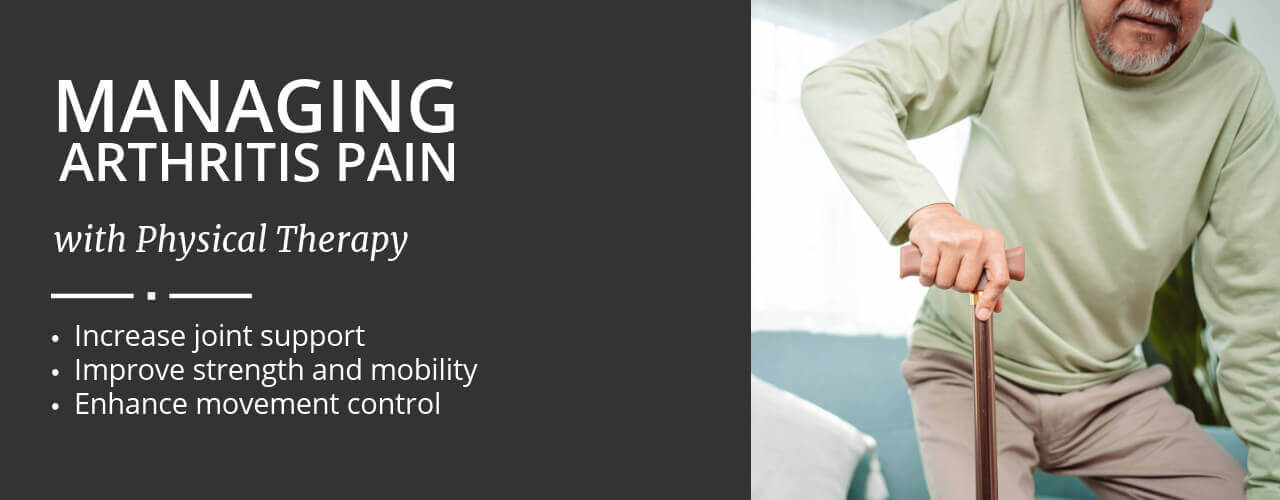
When Vincent (not his real name) arrived at Center for Physical Therapy and Exercise, he had been dealing with chronic joint pain that had slowly taken over his daily life. Diagnosed with moderate osteoarthritis in both knees, he was struggling with stiffness, reduced mobility, and persistent aching that limited his ability to walk, climb stairs, and stay active. Like many others, Vincent was hesitant about medications and wanted a long-term solution that didn’t rely on painkillers. That’s when he discovered the power of physical therapy for arthritis.
Over the course of several weeks, Vincent committed to a structured therapy plan that helped him regain confidence, reduce pain, and return to the activities he had been avoiding. His journey shows just how effective physical therapy can be for managing arthritis and improving quality of life.
Vincent’s Initial Struggles: Pain, Fatigue, and Frustration
Before starting physical therapy, Vincent described his mornings as the hardest part of his day. He often woke up with stiff knees and needed several minutes of careful movement just to stand up. Walking more than a few blocks caused discomfort, and standing for long periods made his knees feel swollen and heavy. His once-active lifestyle had slowed significantly, and his mood began to shift as well. He was tired, discouraged, and unsure of what to do next.
Vincent’s goals were simple but meaningful: he wanted to walk his dog comfortably, climb stairs without gripping the railing, and resume his weekend gardening without feeling sore for days afterward.
How Physical Therapy for Arthritis Helped Vincent Take Back Control
At Center for Physical Therapy and Exercise, Vincent’s care team created a tailored plan built around his needs, pain levels, and goals. The focus of physical therapy for arthritis is not just pain management—it’s about improving function, joint protection, and mobility through movement-based interventions.
Here’s how the treatment plan unfolded:
1. Initial Assessment and Education
Vincent’s physical therapist began with a detailed movement evaluation, looking at joint range of motion, strength, posture, and walking mechanics. They also took time to educate Vincent on how osteoarthritis affects the joints and how targeted therapy can improve his symptoms without overloading the knee joint.
This gave Vincent a clearer understanding of his condition and a renewed sense of control over his recovery.
2. Targeted Stretching and Mobility Work
The early sessions focused on restoring his range of motion through gentle stretching and joint mobilizations. Tight muscles around the hips, hamstrings, and calves were limiting Vincent’s ability to move naturally. Manual therapy techniques helped reduce tension, and stretching improved flexibility, allowing his knees to move more freely.
3. Strengthening Key Muscle Groups
Once his mobility improved, the next goal was to strengthen the muscles that support the knees. These muscles reduce joint stress when they’re strong and active.
Vincent’s therapist introduced progressive resistance exercises, using light bands and bodyweight movements that were easy on the joints. Strengthening exercises helped him improve stability during walking, standing, and climbing stairs.
4. Gait Training and Postural Correction
Over time, Vincent had developed a guarded walking pattern that made his pain worse. His therapist helped him retrain his gait, working on foot placement, stride length, and posture. This reduced joint strain and made movement feel more fluid.
Correcting his posture while standing and sitting also helped reduce joint compression throughout the day.
5. Joint Protection and Activity Pacing
Vincent learned how to manage activity levels with smart pacing. His therapist taught him when to push forward and when to rest—strategies that helped him stay active without triggering flare-ups.
He also learned practical tips, such as how to modify daily activities to reduce joint load and use ice or heat effectively at home.
Measurable Improvements and Final Outcome
By the end of his therapy plan, Vincent had made noticeable, measurable progress:
- He increased his walking distance without significant discomfort.
- He climbed a flight of stairs without needing to use the handrail.
- Morning stiffness decreased significantly, with most days starting without pain.
- He returned to gardening with improved endurance and no post-activity flare-ups.
- His knee strength and mobility improved on follow-up assessments, and he reported higher confidence in his movement overall.
A Message to Others Living with Arthritis
Vincent’s story is one of steady, achievable progress. While physical therapy for arthritis doesn’t reverse the condition, it dramatically improves how patients move, feel, and live day-to-day. What made the difference for Vincent was having a plan, a supportive team, and the commitment to take consistent action.
If you’re living with arthritis and feel like joint pain is holding you back, you’re not alone and you’re not without options.
Contact Center for Physical Therapy and Exercise today to schedule a personalized assessment. Our physical therapy team is ready to help you move better, feel stronger, and take control of your arthritis with confidence and support.
Tags: Pain Relief, joint mobility, arthritis management, movement strategies