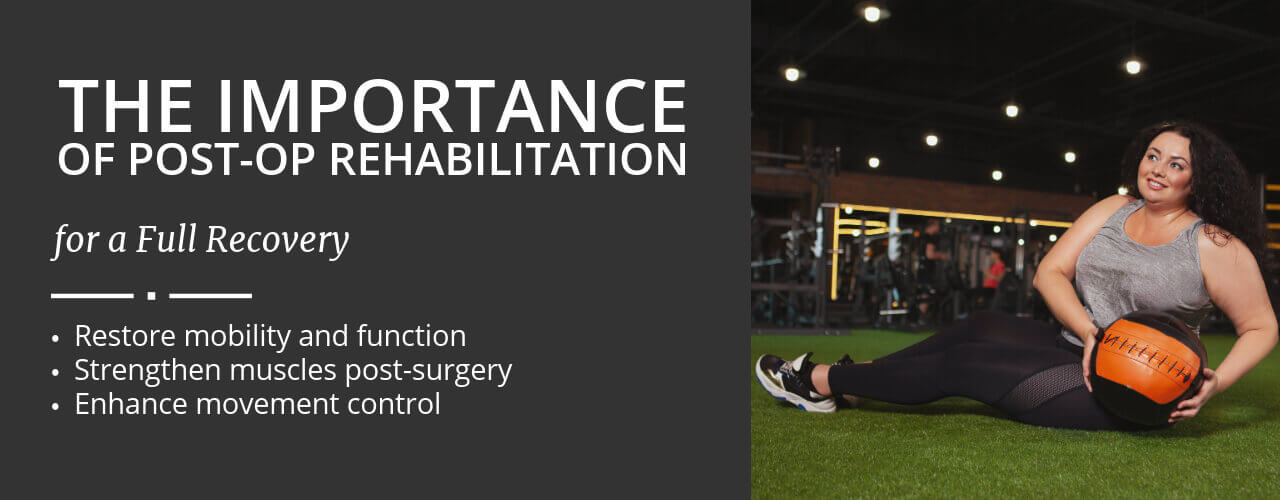
Recovering from surgery involves more than healing an incision. Without structured post-op rehabilitation, even a successful procedure can leave patients with stiffness, weakness, or limited function. Physical therapy plays a critical role in restoring mobility and strength, especially in the early weeks when the body is healing and adapting.
At Center for Physical Therapy and Exercise, our physical therapists create movement-based plans tailored to each patient’s stage of recovery. We guide individuals through safe, progressive care that helps reduce pain, protect the surgical site, and restore functional independence. When recovery stalls or discomfort lingers, personalized rehab can make all the difference.
What Makes Recovery So Challenging After Surgery?
Most surgeries create temporary limitations. But without active treatment, some of those restrictions can become long-term problems. Many post-op patients report:
- Persistent stiffness from joint and muscle disuse
- Swelling that limits the range of motion
- Muscle weakness from inactivity
- Fatigue or poor endurance during routine activity
- Fear of movement or reinjury
Although rest is essential early in healing, prolonged inactivity may lead to joint contracture, muscle atrophy, and delayed recovery. That’s why early post-op rehabilitation supports better long-term outcomes.
Getting Back on Track: What Post-Op Rehabilitation Looks Like
Post-op rehabilitation isn’t one-size-fits-all. At Center for Physical Therapy and Exercise, physical therapy begins with a personalized evaluation. We assess movement, swelling, pain, and strength and create a plan focused on realistic goals.
What May Be Included In Your Care
1. Improving Joint Mobility with Safe Movement
Guided motion prevents long-term stiffness and promotes circulation. Therapists lead exercises that restore flexibility without stressing healing tissue.
Example: Stretching the shoulder in a pain-free range to restore daily overhead reach.
2. Rebuilding Strength Around the Surgical Site Weakness
This is a common issue after surgery. Strength training starts light and builds gradually to support safe, functional movement.
Example: Strengthening the thigh and glute muscles to support knee joint recovery.
3. Easing Pain and Reducing Swelling
Manual therapy and movement help manage inflammation and discomfort. Specific strategies also support lymphatic drainage and healing.
Example: Ankle pumps and elevation to manage post-surgical swelling in the foot or leg.
4. Retraining Balance and Gait
Surgery can disrupt how you move. Physical therapists help restore natural walking patterns and train safe transitions.
Example: Gait retraining after hip or knee surgery to improve coordination and confidence.
5. Managing Scar Tissue and Restoring Soft Tissue Mobility
Adhesions can limit mobility and cause discomfort. Therapists use gentle techniques to improve tissue mobility and reduce restrictions.
Example: Targeted soft tissue work around abdominal incisions to reduce tension and improve comfort.
Home Strategies That Support Progress
Consistent at-home care matters just as much as in-clinic therapy. Your physical therapist may recommend:
- Following your daily movement plan
- Taking short walks or stretch breaks on low-energy days
- Protecting healing tissues with proper body mechanics
- Using assistive devices when needed
- Monitoring for signs of complications like redness or excessive swelling
- Recovery takes time, but steady, purposeful action leads to lasting improvements.
Why Post-Op Rehabilitation Changes Outcomes
Surgery may address the mechanical issue, but rehab restores movement and function. At Center for Physical Therapy and Exercise, our therapists help patients recover safely and effectively by addressing stiffness, pain, and weakness head-on. Each session focuses on restoring confidence and building long-term strength without rushing the process.
Whether you’re recovering from a joint replacement, tendon repair, or other procedure, we’re here to help you return to daily life with less pain and more freedom.
Start Strong: Schedule Your Post-Op Assessment
Post-op rehabilitation provides the structure and support your body needs to recover fully. If you’ve recently had surgery or are planning for one, contact Center for Physical Therapy and Exercise to schedule a comprehensive evaluation. Let us help you take the next step toward comfort, movement, and long-term recovery.
Tags: mobility restoration, Strength rebuilding, surgical recovery, pain management